Best Kruger National Park Lodges: The Complete Guide To Where To Stay in 2026
This post contains affiliate links. If you click through and make a purchase or booking, I may earn a small commission at no extra cost to you. The price you pay is exactly the same either way. I only recommend products and experiences I would use myself.
Growing up in Johannesburg with roots in Mpumalanga, Kruger has never felt like a distant dream to me. It is familiar territory. I have been going since I was a child, and I have returned enough times as an adult to understand something that most guides never explain properly.
The lodge you choose does not just affect your comfort. It determines your entire safari experience.
Two people can visit Kruger at exactly the same time and come back with completely different stories. One is self-driving through the bush at sunrise, coffee in hand, stopping alone at a waterhole. Another is tracking leopards off-road in a private reserve with a dedicated guide and tracker who has spent twenty years learning this specific piece of land.
Both are Kruger. But they are not the same safari.
This guide will help you understand the real differences, choose the right option for your travel style and budget, and find the specific lodges worth your time and money.
Read related post: The Ultimate South Africa Travel Guide: Practical, Honest Travel from a Joburg Local
The Decision That Shapes Everything: Inside Kruger vs Greater Kruger
Before looking at any specific lodge, you need to understand the fundamental split in how Kruger works.
Inside Kruger National Park means staying at one of 21 SANParks-managed rest camps within the public park. You pay a daily conservation fee, you drive yourself on the park’s road network, and you have access to an enormous 20,000 square kilometre wilderness at a fraction of the cost of private alternatives. Wildlife quality is excellent. The experience is raw and independent.
Greater Kruger refers to a collection of private game reserves that share open, unfenced boundaries with Kruger National Park itself. Sabi Sands, Timbavati, Manyeleti, Klaserie, Balule, Thornybush, and Kapama are the main ones. Because there are no internal fences, wildlife moves freely between these reserves and the national park. The difference is not the animals. The difference is the experience.
| Feature | Inside Kruger National Park | Greater Kruger Private Reserves |
|---|---|---|
| Cost per night | R1,500 – R15,000 | R8,000 – R50,000+ per person |
| Game drives | Mostly self-drive | Fully guided, off-road safaris |
| Night drives | Not permitted for self-drivers | Included as standard |
| Vehicle numbers at sightings | Can be busy during peak season | Strictly controlled for a more exclusive experience |
| Meals | Often self-catering or restaurant options | Usually all-inclusive |
| Flexibility | Explore at your own pace | Structured daily safari schedule |
| Best for | Budget travellers, families and independent adventurers | Luxury travellers, honeymooners and wildlife photographers |
This decision alone determines your safari style. Everything else follows from it.
Staying Inside Kruger National Park: What It Is Really Like
Staying inside Kruger means staying at a SANParks rest camp. These are government-run facilities ranging from basic campsites to comfortable self-catering chalets and a handful of more upmarket options. They are clean, well-run, and positioned throughout the park to give you access to different habitats and wildlife zones.
You wake before dawn. You make your own coffee. You drive through the camp gates when they open and the bush belongs entirely to you for the first hour before other guests stir. You might find lions on the road. You might sit alone at a dam watching a herd of elephants drink in the early morning light. Nobody is directing you. Nobody is pointing things out. It is you, the bush, and whatever you happen to find.
For many people, this is the purest form of safari and they would not trade it for anything.
The Best Rest Camps Inside Kruger by Location
Lower Sabie Rest Camp is the most consistently recommended camp inside the park for wildlife sightings. Positioned in the south where the Sabie River runs, it offers excellent predator density and one of the most scenic locations of any camp in Kruger. The road between Lower Sabie and Skukuza along the river is one of the most productive game drive routes in Africa.
Skukuza Rest Camp is the largest camp in Kruger and functions as the park’s headquarters. It has the most facilities including a shop, restaurant, petrol station, and car hire. The wildlife in the surrounding area is excellent and the Sabie River nearby produces reliable sightings. The tradeoff is that it is the busiest camp and can feel less wild than smaller options.
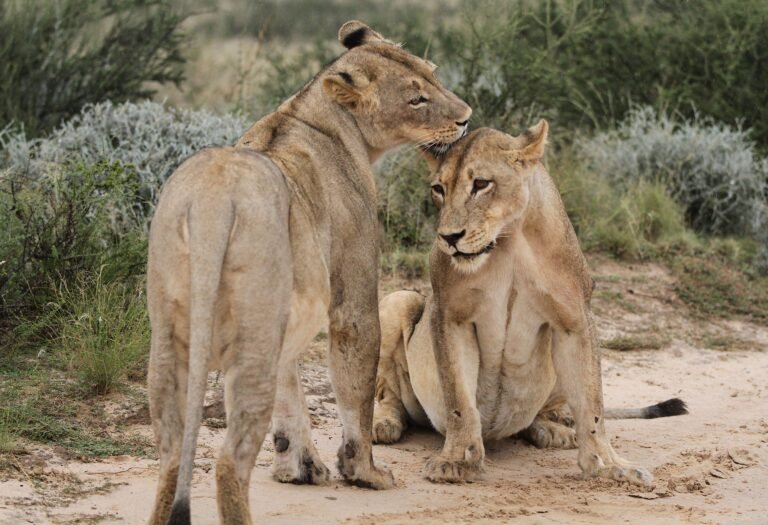
Satara Rest Camp sits in central Kruger in open plains country that is prime lion territory. If lions are your priority, Satara consistently delivers. The open landscape also makes spotting easier, and cheetah are seen here more regularly than in the densely vegetated south.
Crocodile Bridge Rest Camp is the closest camp to Johannesburg and ideal for a long weekend. The Crocodile River forms the park’s southern boundary here and the birdlife and crocodile sightings are exceptional. Good for first-time visitors who want a quick, easy access point.
Berg en Dal Rest Camp sits in the mountainous southwestern corner of Kruger with a different landscape character from the rest of the park. Excellent for white rhino sightings and a quieter, more scenic base.
What It Costs Inside Kruger in 2026
Conservation fees run R275 per adult per day and R137 per child under 12 for the current season running November 2025 to October 2026. SANParks WILD card members pay no daily conservation fees. Self-catering chalets start from around R1,500 per night for a basic unit. The more upmarket Skukuza Safari Lodge inside the park runs from R3,500 to R8,000 per night and includes guided drives.
All accommodation inside Kruger is booked directly through the SANParks website. Booking through any other platform adds unnecessary fees.
The Greater Kruger Private Reserves: What Makes Them Different
When people say they want the best possible safari in South Africa, they are usually talking about the private reserves of Greater Kruger. This is where the experiences that define the word safari happen.
Off-road driving means guides can leave the road network to follow animals through the bush. Night drives reveal a completely different world of nocturnal predators. Dedicated trackers read the ground the way most people read a book. And the strict control on vehicle numbers at sightings means you can sit alone with a leopard in a tree for thirty minutes without another vehicle in sight.
The question is not whether the private reserves are better than the public park. They are different. The question is which private reserve suits you, and which lodge within that reserve deserves your money.
The Private Reserves Explained: Sabi Sands, Timbavati, Manyeleti, and Beyond
Sabi Sands: The World Benchmark for Leopard Sightings
Sabi Sands is the most famous private game reserve in Africa and for legitimate reasons. The reserve’s long-established guiding culture, permanent rivers supporting year-round water sources, and multi-decade leopard habituation programme have created conditions for wildlife viewing that are genuinely unmatched anywhere on the continent.
The leopard population here is the most habituated in the world. Sightings that would require days of patience elsewhere can happen within hours in Sabi Sands. For first-time safari travellers, the experience can be genuinely transformative.
The 24 lodges within Sabi Sands range from exceptional to extraordinary, and the price reflects that. This is where you find Singita, MalaMala, Londolozi, Leopard Hills, Lion Sands, and Sabi Sabi. Budget accordingly: you will not find affordable options here, but what you pay for is the best leopard safari on Earth.
Choose Sabi Sands if: leopard sightings are your primary goal, this is a once-in-a-lifetime trip, or you are specifically after the most prestigious lodges and guiding in Africa.
Timbavati: The White Lion Reserve With More Value
Timbavati covers 50,000 hectares to the north of Sabi Sands, separated by Manyeleti, and offers something meaningfully different. The landscape is more remote and open. There are fewer lodges spread across a larger area, which means fewer vehicles at sightings and a stronger sense of wilderness. The pace is slower and more considered.
Timbavati is the only place in the world where white lions have been documented in the wild. It is surrounded on three sides by Kruger National Park, and as you drive in the sense of leaving the rest of the world behind is more complete than almost anywhere in Greater Kruger.
Wildlife quality is comparable to Sabi Sands. The Big Five are present, predator sightings are excellent, and the guiding at lodges like Tanda Tula, Kings Camp, and Ngala Tented Camp is outstanding. The difference is that a comparable lodge in Timbavati costs noticeably less than its equivalent in Sabi Sands, largely because the Sabi Sands brand commands a premium.
Choose Timbavati if: you want excellent Big Five safaris with fewer vehicles, better value than Sabi Sands, a chance at white lion sightings, and a more remote wilderness feel.
Manyeleti: Greater Kruger's Best-Kept Secret
Manyeleti sits between Sabi Sands to the south and Timbavati to the north, bordered by Kruger to the east. It covers 23,000 hectares and has just three operational lodges: Honeyguide Tented Camp (two camps) and Tintswalo at Manyeleti. Total guest capacity at any one time is approximately 60 to 80 people across the entire reserve.
That ratio of land to guests is extraordinary. No other Greater Kruger reserve comes close to it. You are sharing 23,000 hectares with fewer than 80 people. All lodges have access to virtually the entire traversing area, which means your guide is ranging across the full reserve rather than restricted sections.
Manyeleti is the reserve most consistently associated with African wild dog sightings in Greater Kruger. Predator density overall is excellent, and the exclusive feel of the place is unlike anything in the more famous reserves.
Choose Manyeleti if: exclusivity and wild dog sightings are priorities, you want equivalent Big Five wildlife at lower cost than Sabi Sands, and you would rather have a quieter, more intimate experience over a prestigious name.
Klaserie and Balule: For the Serious Wilderness Traveller
Klaserie is one of the quietest and most conservation-focused reserves in Greater Kruger, ideal for walking safaris and repeat travellers who want solitude over spectacle. Balule borders the Olifants River with beautiful scenery and offers some of the best value lodges in the Greater Kruger system, though sighting consistency can vary more than in the premium reserves.
Best Kruger Lodges by Category
Best Luxury Lodges: Greater Kruger's Finest
Singita Boulders Lodge and Singita Lebombo represent the pinnacle of the Kruger safari experience. Singita Boulders sits inside Sabi Sands with private plunge pools, outstanding Big Five sightings, and service at a level that very few safari lodges on the continent can match. Singita Lebombo is positioned on a private concession inside Kruger National Park itself with contemporary design and views over the N’wanetsi River. Both are from R30,000 per person per night in peak season. These are for people for whom cost is genuinely secondary to experience.
Londolozi Private Granite Suites in Sabi Sands is consistently listed among the finest safari lodges on Earth. Private granite suites, a plunge pool, yoga, massages, and views over giant boulders and the Sabi River. Londolozi has been a conservation leader in Sabi Sands for decades and the wildlife experience here is exceptional.
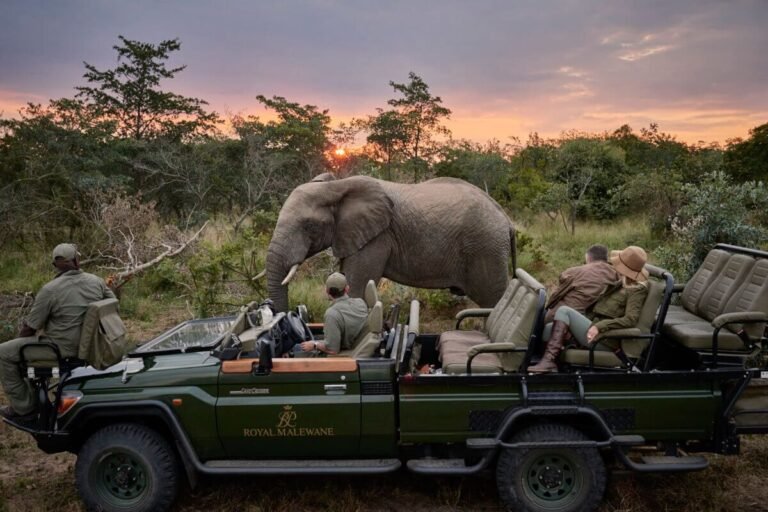
Royal Malewane in Thornybush offers a four-to-one staff-to-guest ratio and an experience that feels more like a private estate than a game lodge. Crystal clear pools on spacious viewing decks, a world-class spa, gourmet dining, and elite guiding. Elephants regularly visit the suites.
Lion Sands River Lodge in Sabi Sands combines beautiful river views over the Sabie River, outstanding guiding, and one genuinely unique experience: the Chalkley Treehouse and Kingston Treehouse, where guests can spend a night sleeping under the open African sky with no walls, no roof, and wildlife potentially passing beneath them. Book months ahead for the treehouses.
Best Mid-Range Safari Lodges
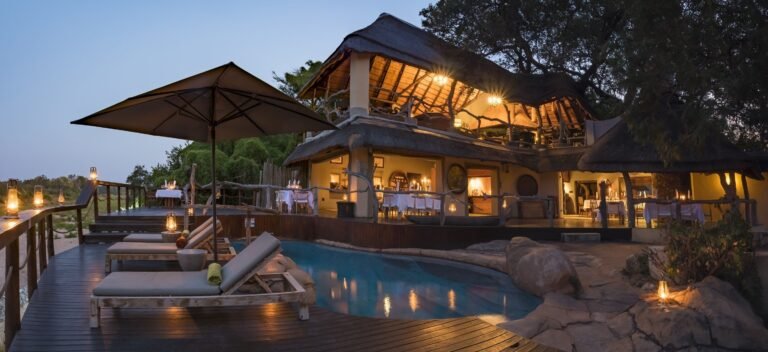
Jock Safari Lodge sits on a private concession inside Kruger National Park itself, which is a rare and valuable position. It gives guests access to off-road driving inside the park and areas completely inaccessible to self-drive visitors. The lodge draws on the legendary story of Jock of the Bushveld and the surrounding concession at the confluence of the Mitomeni and Biyamiti rivers produces excellent Big Five sightings. All children are welcome.
Tanda Tula Safari Camp in Timbavati is one of the most beautiful mid-range tented camps in Greater Kruger. Twelve canvas suites on raised platforms, exceptional guiding, and a guiding philosophy that rewards patience and genuine wildlife observation over game-ticking.
Honeyguide Tented Camps in Manyeleti deliver the most extraordinary value in Greater Kruger. In a reserve with 23,000 hectares and fewer than 80 guests at any time, Honeyguide offers full guided safari packages at prices considerably below comparable Sabi Sands lodges.
Imbali Safari Lodge inside a private concession in Kruger National Park offers guided drives in areas regular park visitors cannot access, all-inclusive meals, and a midpoint price between rest camps and full luxury reserves.
Best Lodges for Families
Not all private reserve lodges welcome young children. Many have minimum age policies of 6 or 12 years for game drives due to the requirement to stay silent and seated during wildlife encounters.
Skukuza Safari Lodge inside the public park welcomes all ages and gives families the combination of guided game drives and the flexibility of self-drive. Children under 12 pay half the adult conservation fee.
Jock Safari Lodge welcomes all children and has a dedicated family suite with private plunge pool. The private concession setting delivers guided off-road drives that are exceptional for children old enough to appreciate them.
Kambaku in Timbavati welcomes children from age two and runs a dedicated Kubs program that teaches children about the bush through age-appropriate activities, tracking exercises, and guided discovery. It is one of the most thoughtfully designed family safari experiences in Greater Kruger.
Lion Sands River Lodge in Sabi Sands is recommended by families for its comprehensive approach to combining a luxury safari experience with genuine child friendliness.
Best for Honeymooners
Singita Boulders or Londolozi Private Granite Suites if budget is not a consideration. Lion Sands Ivory Lodge with the optional treehouse night under the stars is one of the most romantic experiences available anywhere in South Africa. Tintswalo at Manyeleti offers an intimate six-room lodge experience in one of Greater Kruger’s quietest reserves at a lower price than comparable Sabi Sands properties.
The Best Areas in Kruger for Wildlife: Where to Stay Based on What You Want to See
For leopards: Sabi Sands is the global benchmark. The multi-generational habituation programme and dense riverine vegetation combine to create the most reliable leopard sightings in the world. Choose any reputable lodge in Sabi Sands over anywhere else if leopards are the priority.
For lions: Southern Kruger around Skukuza and Lower Sabie, or central Kruger around Satara. The open plains of Satara in particular deliver exceptional lion sightings.
For white lions: Timbavati is the only place on Earth where this genetic rarity has been documented in the wild.
For African wild dogs: Manyeleti is the Greater Kruger reserve most consistently associated with wild dog sightings.
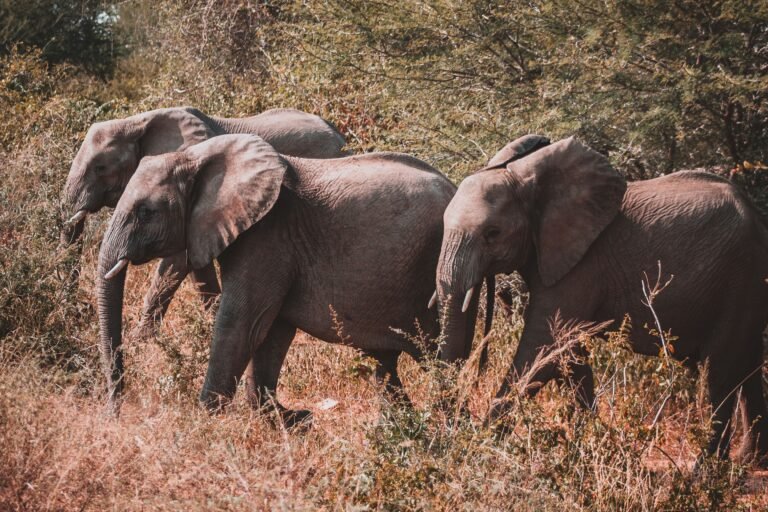
For elephants: They are everywhere in Kruger, but northern Kruger around Shingwedzi and Punda Maria holds some of the largest herds. Southern concessions and Addo Elephant National Park near Port Elizabeth are also exceptional.
For rhino: Berg en Dal in the south and the private Sabi Sands reserves both deliver strong rhino sightings.
For the complete Big Five in the shortest time: Sabi Sands. No other destination in South Africa delivers consistent Big Five sightings with the same reliability.
When To Visit Kruger: Honest Season-by-Season Advice
June to October (Dry season): Consistently the best wildlife viewing. Vegetation thins out, animals concentrate around permanent water sources, and visibility from the road improves dramatically. Peak pricing applies June to September. This is when to go if wildlife is the absolute priority.
April to May: The dry season is beginning, vegetation is still partially green, and prices drop from the peak. An excellent time for experienced safari travellers who want strong sightings without peak-season crowds and costs.
November to March (Green season): Summer rains bring lush green landscapes, newborn animals, and exceptional birdlife. Wildlife is dispersed rather than concentrated, making sightings less predictable. Rates are significantly lower. Baby animals and the dramatic thunderstorm skies of the lowveld make this season genuinely beautiful for photographers.
December to January: School holiday peak. Accommodation prices rise sharply. Book many months ahead.
What a Kruger Safari Realistically Costs in 2026
Self-drive inside Kruger:
Conservation fees of R275 per adult per day, self-catering chalet from R1,500 per night, fuel for the day approximately R600 to R900. A realistic two-person day costs R2,500 to R3,500 total.
Mid-range guided private reserve lodge:
R8,000 to R20,000 per person per night all-inclusive. This covers accommodation, all meals, twice-daily guided game drives, and typically drinks.
Luxury private reserve lodge:
R20,000 to R50,000 and above per person per night at the top end. Singita, Londolozi, Royal Malewane, and MalaMala operate in this range in peak season.
Peak season from June to October costs more due to demand and the superior wildlife viewing conditions. Green season rates at even the top lodges can be 30 to 40 percent lower than peak pricing.
How To Choose the Right Kruger Lodge: Five Questions to Ask Yourself
Do you want to drive yourself or be guided? Self-drive gives you independence and significantly lower cost. Guided private reserves give you off-road access, night drives, expert knowledge, and controlled sighting environments.
Is this a once-in-a-lifetime trip or do you plan to return? First-timers often benefit most from a guided private reserve experience. Repeat visitors may prefer the self-drive freedom of the public park.
Are you travelling with children? Confirm minimum age policies before booking any private reserve lodge. The public park and select family-friendly lodges like Jock and Kambaku are your safest options with young children.
What is your wildlife priority? Leopards point you to Sabi Sands. White lions point you to Timbavati. Wild dogs point you to Manyeleti. A general Big Five experience at the best value points you to Manyeleti or Timbavati over Sabi Sands.
What is your realistic budget? There is genuinely no wrong answer anywhere on the Kruger spectrum. The rest camps inside the park are some of the best-value wildlife experiences in the world. The luxury private reserves are among the finest safari lodges on the continent. The key is aligning your choice with your actual budget rather than what you think you should be spending.
Faq
What is the difference between Kruger National Park and Greater Kruger?
Kruger National Park is the public park managed by SANParks where self-drive is the primary experience. Greater Kruger refers to the private reserves that share open, unfenced boundaries with the park, including Sabi Sands, Timbavati, and Manyeleti. Wildlife moves freely between them. The difference is the experience, not the animals.
Which is better: staying inside Kruger or in a private reserve?
Neither is objectively better. Inside Kruger delivers independence, lower costs, and still excellent wildlife. Private reserves offer off-road driving, night drives, expert guiding, and controlled sighting environments. Your budget and travel style should decide.
What is the minimum age for game drives in private reserves?
Many lodges have minimum age policies of 6 or 12 years. Always confirm this before booking. The public park inside Kruger has no minimum age for self-drive. Family-friendly private lodges like Kambaku in Timbavati welcome children from age two.
Which is better: staying inside Kruger or in a private reserve?
Neither is objectively better. Inside Kruger delivers independence, lower costs, and still excellent wildlife. Private reserves offer off-road driving, night drives, expert guiding, and controlled sighting environments. Your budget and travel style should decide.
Written by Tina. I founded 54TravelVibes to build the Africa travel guides I always wished existed. 54TravelVibes covers 54 iconic African destinations across South Africa, Kenya, Tanzania, and Morocco. Explore all destinations →