Kruger vs Serengeti: Which African Safari Is Really Better in 2026?
This post contains affiliate links. If you click through and make a purchase or booking, I may earn a small commission at no extra cost to you. The price you pay is exactly the same either way. I only recommend products and experiences I would use myself.
I grew up in Johannesburg with roots in Hazyview in Mpumalanga, right near Kruger’s Phabeni Gate. Kruger has never felt like a bucket list destination to me. It felt like home.
Which is exactly why I want to be honest with you about this comparison.
Kruger is the park I know most deeply and love most personally. But the Serengeti offers something genuinely different, something that even a lifetime of Kruger visits cannot fully replicate. And pretending otherwise would not serve you well.
This guide breaks down both parks in real, practical terms. Wildlife, costs, logistics, who each destination suits best, and the honest answer to which one is right for your specific trip. Not the answer that makes a better headline. The answer that makes a better safari.
Read related post: Best Kruger National Park Lodges: The Complete Guide To Where To Stay in 2026
Where Is Kruger and Where Is Serengeti?
Kruger National Park
Kruger sits in northeastern South Africa, stretching across Mpumalanga and Limpopo provinces about four to six hours by road from Johannesburg, or under an hour by domestic flight. It is connected on its western boundary to private reserves including Sabi Sands and Timbavati, which together form the Greater Kruger ecosystem.
The accessibility of Kruger is not a minor detail. It is one of the defining facts of the experience. You can leave Johannesburg after work on a Friday and be watching elephant cross the road on Saturday morning. That kind of accessibility changes who can go, how often they can go, and how much the whole trip costs.
Read related post: The Ultimate Kruger National Park Travel Guide (2026): Everything You Need To Know Before You Go.
Serengeti National Park
The Serengeti is in northern Tanzania near the Kenyan border, forming the southern portion of the larger Mara-Serengeti ecosystem. Getting there typically means flying into Kilimanjaro International Airport or Julius Nyerere International Airport in Dar es Salaam, then taking a bush flight or a long road transfer into the park.
The remoteness is real and it is part of the appeal. The moment you fly over those endless plains and land on a grass airstrip, you feel it. But that remoteness comes with cost, logistical complexity, and a dependence on guided experiences that Kruger does not impose.
Wildlife Experience: Kruger vs Serengeti
Both parks are home to the Big Five. Beyond that fundamental similarity, the wildlife experience is meaningfully different.
What Makes Kruger Unique for Wildlife
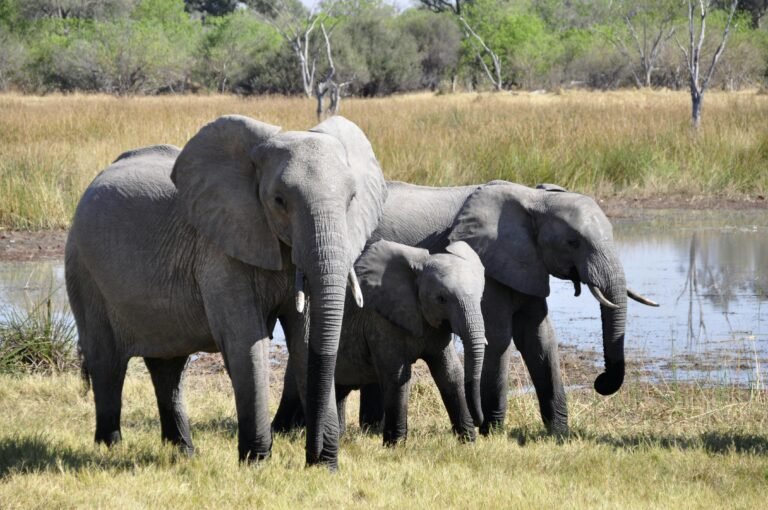
Kruger is the last major African park to host substantial breeding populations of all five members of the Big Five including both black and white rhino. That is not a marketing line. It is a conservation achievement that no other major African park can currently match.
White rhino sightings in Kruger and the surrounding private reserves are among the most reliable in Africa. The park also holds large predator populations including lion, leopard, cheetah, and wild dog, distributed across 20,000 square kilometres of varied habitat from dense riverine forest in the south to open mopane woodland in the north.
The tradeoff is that Kruger’s density and vegetation can require more patience and more time than the open plains of East Africa. In dense southern bushveld, animals blend into the environment in ways that demand slower driving and sharper eyes. You can drive past a leopard in a marula tree without seeing it. And then spend the rest of the trip thinking about that.
What Makes the Serengeti Unique for Wildlife
The Serengeti supports higher overall animal density than Kruger, particularly during migration periods. The open plains here produce clean, unobstructed sightings that feel cinematic in a way that dense bushveld simply cannot.
The Great Migration is two million wildebeest, zebra, and gazelle moving continuously across the ecosystem in one of the greatest wildlife spectacles on earth. It is not a single event. It is a year-round movement with different phases in different areas. Mass calving happens in the southern Serengeti around January and February. The famous Mara River crossings happen in the north between July and October. Different months mean different locations and different experiences within the same ecosystem.
Lion density in the Serengeti is among the highest in Africa. Cheetah sightings here are more consistent than almost anywhere on the continent. But rhino sightings are rare. Black rhinos exist in the Serengeti but require a special permit and are monitored under surveillance. If rhino is on your priority list, Kruger is the clear choice.
Wildlife Verdict
Kruger wins for rhino, leopard reliability, Big Five completeness, habitat diversity, and birding. The Serengeti wins for sheer animal numbers, lion and cheetah density, migration spectacle, and the drama of open-plain predator encounters. Neither is objectively better. They deliver genuinely different wildlife experiences.
The Real Cost Difference Between Kruger and Serengeti
Cost is where the gap between these two parks is most significant and where honest information matters most.
What Kruger Actually Costs in 2026
Kruger costs roughly 40 to 60 percent less than an equivalent Serengeti experience. The gap narrows at luxury levels but remains significant for budget and mid-range travellers.
Self-drive inside Kruger with SANParks rest camp accommodation runs approximately $80 to $150 per person per day including park fees, accommodation, and food. A mid-range private lodge in Greater Kruger runs $250 to $500 per person per night all-inclusive. Luxury private reserves including Sabi Sands and Timbavati range from $600 to over $1,500 per person per night.
Flights from most major international hubs arrive at Johannesburg OR Tambo International, from which Kruger is a four to five hour drive or a domestic flight of under an hour costing $100 to $250.
The self-drive option is Kruger’s biggest cost advantage. Two South African adults can spend a genuinely excellent day in the park for under R1,500 total including conservation fees and fuel. No other Big Five destination in Africa comes close to that value.
What the Serengeti Actually Costs in 2026
The Serengeti is expensive and the structure of the experience means that cost is largely unavoidable. Self-driving is not permitted in Tanzanian national parks. All game drives must be in licensed vehicles with qualified guides. This mandatory guided structure eliminates the budget tier that makes Kruger accessible to such a wide range of travellers.
Mid-range guided safari packages in the Serengeti run approximately $350 to $600 per person per day. Luxury tented camps range from $700 to $1,500 and above per person per night. On top of accommodation and park fees, domestic bush flights between lodges or from Arusha cost $200 to $400 per sector.
The average daily cost per person in the Serengeti including food, transport, lodging, and activities runs around $157. Kruger averages approximately $99 per person per day. That gap compounds significantly over a five to seven day trip.
The Experience That Sets Them Apart: Self-Drive vs Guided
This is the difference that shapes everything else.
The Kruger Self-Drive Experience
In Kruger you answer to nobody. You drive through the camp gate at opening while it is still dark and the park belongs to you for that first quiet hour. You stop at a waterhole for as long as you want. You sit with the engine off and the windows down and you listen. You might find a lion on the road and simply stay there, just you and a few other vehicles, watching something ancient happen at close range.
That independence is something no guided experience fully replicates. And it is only available in Kruger, Botswana, Namibia, and a handful of other African destinations. Tanzania is not among them.
The private reserves bordering Kruger add the guided dimension when you want it. Off-road driving, night drives, expert trackers, controlled vehicle numbers at sightings. These experiences require leaving the public park and entering Greater Kruger, but combining a self-drive SANParks stay with a night or two at a private reserve gives you both worlds in one trip.
For wildlife photography, the Sony A7 series paired with a 100-400mm telephoto zoom is one of the most capable and versatile systems for Kruger’s variable conditions, from dense riverine bush to open waterhole sightings. And a quality pair of binoculars turns distant movement into a confirmed sighting. The Swarovski NL Pure 8×32 delivers the finest optics available for safari use, with an exceptionally wide field of view that makes tracking animals in bush genuinely different from anything in a lower price range.
The Serengeti Guided Experience
In the Serengeti you are always in the hands of a professional guide, which is both the constraint and the advantage. A good Serengeti guide knows where the migration is moving, which crossing points are active, which pride of lions is habituated, and how to position the vehicle for the light. The expertise is real and it produces results.
The open plains here mean that wildlife encounters are visible from further away but also more exposed, more cinematic, and photographically cleaner. A cheetah hunt across open grassland with a clear horizon. A river crossing with hundreds of wildebeest plunging into the water. These are the images that define the word safari in most people’s imaginations, and they happen here consistently when the timing is right.
Night drives are generally not permitted inside Serengeti National Park. Off-road driving is also not permitted. Both of these experiences, which are standard in Greater Kruger’s private reserves, are unavailable in the Serengeti.
Booking: How Each Safari Works in Practice
Booking a Kruger Safari
Kruger is the most independently bookable safari destination in Africa. South African residents book SANParks rest camp accommodation directly at sanparks.org with no booking fees. International visitors can do the same or use established tour operators for guided packages.
For day safaris and shorter guided experiences from Johannesburg, GetYourGuide offers straightforward booking with clear cancellation policies and flexible dates. For multi-day structured group itineraries that include Kruger as part of a broader Southern Africa circuit, G Adventures builds comprehensive packages with accommodation, transport, and game drives included.
Booking a Serengeti Safari
The Serengeti requires more planning and is generally smoother when booked as a complete package through an established operator rather than assembled independently. Coordinating domestic flights, accommodation, and guided drives across multiple locations inside the Serengeti is complex enough that most travellers are better served by an operator who does it regularly.
GetYourGuide lists multi-day Serengeti packages with fixed departure dates and clear inclusions. G Adventures builds fully guided East Africa itineraries combining Serengeti, Ngorongoro Crater, and often Zanzibar into one structured trip, which for many travellers is the most practical and cost-effective approach to East Africa.
Which Safari Is Better for Specific Types of Travellers
For First-Time Safari Visitors
Kruger is the more forgiving and straightforward first safari. The logistics are simpler, the range of accommodation and price points is wider, and the guaranteed Big Five consistency means you are unlikely to leave disappointed. The infrastructure is designed for independent visitors in a way that no East African park currently matches.
That said, if your primary dream is the Great Migration and you have the budget, starting with the Serengeti is entirely valid. Just go with realistic expectations about the logistical complexity and plan further in advance than you would for Kruger.
For Families With Children
Kruger is the more practical choice for most families. Shorter transfers, flexible accommodation including self-catering chalets where children can move freely, self-drive options that allow you to stop and start at your own pace, and the availability of malaria-free private reserves directly adjacent to the park for families who want to avoid antimalarial medication.
The Serengeti suits older children and families comfortable with longer international travel days and higher overall budgets. Some excellent family-oriented camps exist in the Serengeti ecosystem, but the logistics are more demanding.
For Photographers
Both parks are exceptional for wildlife photography but in different ways. The Serengeti’s open plains produce cleaner backgrounds, dramatic migration imagery, and the classic African plains light that defines the genre. Longer drives may be needed between sightings but when the encounter happens, the visual quality is often unmatched.
Kruger’s Greater Kruger private reserves offer off-road driving and night drives that produce close-up, frame-filling encounters impossible in the Serengeti. The combination of tracking on foot, night drives with spotlights, and off-road positioning creates photographic opportunities that the Serengeti’s road restrictions cannot match.
Professional wildlife photographers often prioritise the Serengeti for migration work and Kruger’s private reserves for predator encounters and nocturnal species. If you can only choose one, it depends entirely on which images you are trying to make.
For Luxury Safari Travellers
Both destinations have world-class luxury options. Singita operates exceptional properties in both ecosystems. Sabi Sands in Greater Kruger offers a level of leopard habituation unmatched anywhere. The Serengeti’s mobile migration camps that follow the herds deliver an intimacy with the landscape that fixed-location lodges cannot.
At the highest price levels the experience quality is comparable. The difference is what that luxury delivers: in Greater Kruger it is off-road tracking and night drives; in the Serengeti it is migration access and the expanse of the plains.
For Budget and Mid-Range Travellers
Kruger wins decisively. The self-drive option alone makes it accessible at a price point that has no equivalent in East Africa. A couple can spend a meaningful, wildlife-rich long weekend in Kruger for under R10,000 total including accommodation, entry fees, and food. The same quality of experience in the Serengeti would cost three to four times that amount at minimum.
Combining Both: The Southern and East Africa Safari Circuit
For travellers who want both, the two parks pair naturally as part of a larger Africa itinerary.
A Southern Africa circuit combines Kruger with Cape Town, the Garden Route, and Victoria Falls. An East Africa circuit combines the Serengeti with Ngorongoro Crater, Tarangire, and Zanzibar. Both circuits take approximately ten to fourteen days to do properly.
Combining Kruger and Serengeti in a single trip is logistically possible but involves two international hubs, connecting flights, and significantly higher overall cost. It is worth doing if time and budget allow. Most travellers choose one circuit per trip and save the other for a return visit to Africa, which is how the continent works on most people.
Month-by-Month: When To Visit Each Park
Kruger Season by Season
June to October is the dry season with the best wildlife viewing. Animals concentrate at water, vegetation thins, sighting distances improve. Peak months are July and August with the clearest conditions and most reliable predator activity.
November to February brings summer rains, green landscapes, migrant birds, and newborn animals. Wildlife is more dispersed but the photography light and the lush scenery are exceptional. Rates drop significantly.
March to May and September to October are shoulder seasons with good wildlife, lower prices, and manageable crowds.
Serengeti Season by Season
January to February sees the Great Migration in the southern Serengeti with mass calving, intense predator activity, and some of the most dramatic wildlife action of the year.
June to October brings the herds north toward the Mara River crossings, the most famous single event in African safari. River crossings are dramatic, unpredictable, and can require patience at crossing points.
The critical advice for Serengeti timing is to focus on where the migration is, not on which month you are going. The herds move continuously and a good operator tracks their position in real time.
Quick Comparison Table
| Feature | Kruger National Park | Serengeti National Park |
|---|---|---|
| Country | South Africa | Tanzania |
| Size | 19,485 km² | 14,763 km² |
| Self-drive Safari | ✅ Yes | ❌ No |
| Night Drives | ✅ Yes (Private Reserves) | ❌ No |
| Off-road Driving | ✅ Yes (Private Reserves) | ❌ No |
| Average Daily Cost | $80–$150 per person | $350–$600 per person |
| Rhino Sightings | ⭐⭐⭐⭐⭐ Excellent | ⭐ Very Rare |
| Leopard Sightings | ⭐⭐⭐⭐⭐ Excellent | ⭐⭐⭐⭐ Good |
| Lion Sightings | ⭐⭐⭐⭐⭐ Excellent | ⭐⭐⭐⭐⭐ Excellent |
| Great Migration | ❌ No | ✅ Yes |
| Malaria Risk | Yes (Risk Varies by Season) | Yes |
| Best for Families | ⭐⭐⭐⭐⭐ Excellent | ⭐⭐⭐ Better for Older Children |
| Accessibility | ⭐⭐⭐⭐⭐ Easy | ⭐⭐⭐ More Complex |
| Best Time to Visit | June – October | Year-round (Migration Location Dependent) |
FAQ
Is Kruger or Serengeti better overall?
Neither is universally better. Kruger offers accessibility, self-drive freedom, budget flexibility, and the most reliable rhino sightings in Africa. The Serengeti offers the Great Migration, higher overall animal density, and a cinematic open-plains experience. The better park depends entirely on what kind of safari you want.
Is the Serengeti more expensive than Kruger?
Significantly. Kruger costs roughly 40 to 60 percent less than an equivalent Serengeti experience at budget and mid-range levels. The gap narrows at luxury but remains meaningful. Kruger’s self-drive option creates a budget tier with no equivalent in Tanzania.
Which park is better for rhino sightings?
Kruger, definitively. Kruger holds the largest surviving breeding populations of both black and white rhino in Africa. Serengeti rhino sightings require a special permit and are not a standard game drive experience.
Which park is better for the Great Migration?
The Serengeti, by definition. Kruger does not have a Great Migration. If the annual movement of two million wildebeest across the plains is a priority, you need the Serengeti-Masai Mara ecosystem.
Which park is better for first-time safari visitors?
Kruger for travellers who value simplicity, budget flexibility, and self-drive freedom. The Serengeti for travellers whose primary goal is the Great Migration and who are comfortable with a structured, guided approach and a higher overall budget.
However there is more to do in Africa you might be interested so read more posts and pack those bags :
Explore Zanzibar Beaches: Best Areas, Where to Stay, Budget & Things to Do
Tanzania Safari & Beach: The Ultimate Bush-to-Beach Guide (Serengeti, Ngorongoro & Zanzibar)
4 Best African Countries to Visit in 2026: A Complete Travel Guide from a Johannesburg-Based Blogger
Written by Tina. I founded 54TravelVibes to build the Africa travel guides I always wished existed. 54TravelVibes covers 54 iconic African destinations across South Africa, Kenya, Tanzania, and Morocco. Explore all destinations →