Kruger National Park Packing List: Everything You Need For The Perfect Safari (2026)
This post contains affiliate links. If you click through and make a purchase or booking, I may earn a small commission at no extra cost to you. The price you pay is exactly the same either way. I only recommend products and experiences I would use myself.
I have learned what to pack for Kruger the hard way.
Not catastrophically. But in the quiet way that experience teaches you things. The beanie I left at home on a July morning game drive when it was four degrees at gate opening. The white shirt I wore on my second visit that the guide politely told me was visible from half a kilometre away. The moment a leopard appeared in a tree, barely visible, and I had no binoculars because I thought my phone camera would be enough.
It was not.
This is the packing guide I wish I had from the start. Every section has been built from real experience in the park, from conversations with guides and rangers, and from the honest lessons that come from watching first-time visitors arrive underprepared.
Whether you are doing a self-drive stay at a SANParks rest camp, a guided stay at a private lodge, or a quick day trip from Johannesburg, this list covers everything you actually need.
Read related post: The Ultimate Kruger National Park Travel Guide (2026): Everything You Need To Know Before You Go.
The Golden Rules of Packing for Kruger
Before getting into the specifics, three principles matter more than any individual item on this list.
Pack neutral colours. Safari fashion is not about looking the part. It is about not disturbing wildlife. Bright colours, white, red, and dark shades can all attract attention from animals or make you far more visible than necessary. Khaki, olive, tan, brown, and muted green are the right palette. Not because it looks good in photos, but because it works.
Pack in layers. The single most important clothing philosophy for Kruger. Temperatures swing dramatically between early morning gate opening and midday, particularly in winter when pre-dawn temperatures in the park can drop below ten degrees while the afternoon reaches a comfortable twenty-five. A layering system lets you strip back as the day warms up and add back as it cools.
Pack light. This matters particularly if your Kruger visit is part of a broader itinerary that includes private lodge stays or charter flights. Many small bush aircraft have luggage limits of around 20 kilograms per person total, including hand luggage, and soft-sided bags only. Hard shell suitcases are problematic on bumpy bush roads and in light aircraft. Start with a soft duffel and resist the urge to overpack.
Read related post: Best Kruger National Park Lodges: The Complete Guide To Where To Stay in 2026
Clothing: What To Wear on Safari in Kruger
The Core Wardrobe
Long-sleeve safari shirts are the single most useful clothing item you can bring. Even in a closed car, extended sun exposure through windows burns arms and thighs faster than most people expect. Long sleeves protect from sun, provide warmth in the early morning, keep insects off your skin at dusk, and dry quickly if you encounter rain. Roll-up sleeves make them adaptable for midday heat.
Pack three to four long-sleeve shirts in neutral tones. Lightweight, moisture-wicking fabric works best. Columbia, ExOfficio, and Craghoppers all make excellent options that hold up to multiple wears between washes, an important consideration when rest camp laundry facilities are basic.
Neutral t-shirts for layering under shirts on cold mornings and wearing around camp during the day. Pack three to four.
Lightweight trousers or convertible pants are more versatile than shorts for most of the Kruger year. They protect from sun, insects, and the surprisingly cold evenings that arrive even in summer. Convertible zip-off trousers that convert to shorts are practical and save packing space. Two pairs is sufficient for most visits.
Shorts for midday and around camp when the heat is high. One or two pairs.
A warm fleece or midweight jacket is essential for winter visits and useful even in summer for early morning drives. The golden rule for what to wear on safari is layering. Regardless of the season, it is good to be prepared for cooler early mornings or evenings and warm middays.A windproof outer layer is necessary for open vehicle game drives at private lodges where wind chill at speed can make cold mornings feel significantly colder.
Socks in both lightweight and warmer versions depending on season. Dust gets into everything in the dry season so pack enough pairs to change daily.
Underwear for the duration of your stay plus two extra days.
Footwear
Unless you are doing a walking safari, there is no need to pack heavy duty hiking boots. A good durable pair of trainers is all that is needed.A trail runner or sturdy sneaker handles everything you will encounter during a standard self-drive or rest camp stay. Closed-toe shoes protect against thorns, insects, and the rough ground around picnic sites and get-out points.
Pack one pair of camp sandals or flip-flops for around the chalet, the pool, and the communal ablution facilities if camping.
If you are doing a guided bush walk, ask your lodge or camp in advance about footwear requirements. Walking safaris on rocky terrain benefit from more ankle support, but most guided walks at rest camps are on moderate terrain where trail runners are perfectly adequate.
If your shoes are new, wear them on several long walks before your trip. Blisters on safari feel much bigger than they should.
Accessories
A wide-brimmed hat is non-negotiable. Many first-time visitors to Africa underestimate the strength of the sun even in late afternoons. Choose a hat that has a wide brim to shade your eyes and the back of your neck. This is an area most people forget and where they get sunburnt. A hat with an adjustable chin strap stays on during moving game drives in open vehicles.A buff or neck gaiter is one of the most underrated items on this list. It protects your neck from sun during drives, keeps dust out during dry season game drives on gravel roads, and adds warmth around your face on cold mornings. Lightweight and packable.
A beanie for winter visits. July and August mornings in Kruger are genuinely cold, and most of that cold hits your head first. A simple fleece beanie costs almost nothing and makes an enormous difference.
Polarised sunglasses reduce glare from the African light and make scanning for wildlife much easier, particularly when you are looking across open water or into bright grass.
A scarf or light wrap for women that doubles as sun protection, a layer over the shoulders during drives, and a cover-up for conservative settings in nearby towns.
Binoculars: The Most Important Item You Will Pack
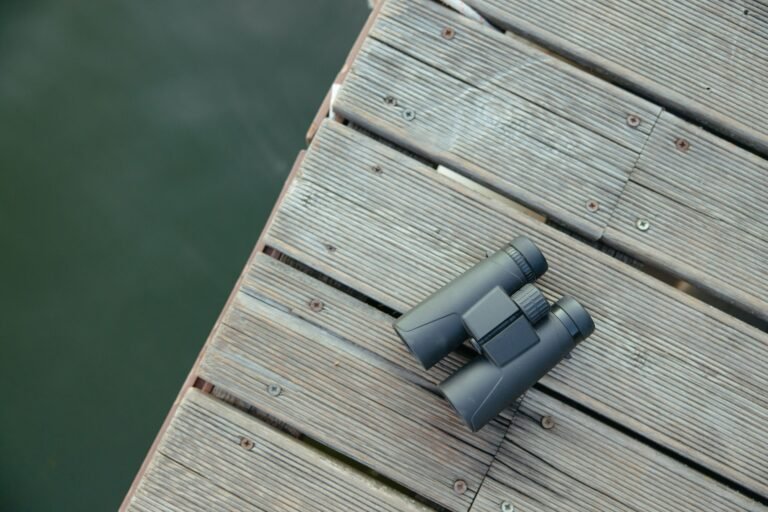
I cannot overstate this. I would estimate that 50% of my sightings on a self-drive safari have been due to scanning with a good pair of binoculars. Do not go to Kruger without binoculars. Not a phone on zoom. Not a camera with a long lens substituting for optics. A dedicated pair of binoculars worn around your neck from gate opening to gate closing.
On a self-drive safari in Kruger, you are not allowed to go off-road. This means you will observe many sightings from a respectful distance. Binoculars close that distance. They reveal the leopard half-hidden in a marula tree that everyone else drove past. They show you the texture of an elephant’s skin, the oxpecker riding a giraffe’s neck, the distant pride of lions that looked like a line of rocks from the road.
Choosing the Right Binoculars
The magnification and lens size numbers on binoculars matter practically. An ideal magnification for safari is 8x to 10x. This will give you a good amount of magnification without destabilizing the image. We recommend getting lenses that are 32mm to 42mm because they perform better in low light than smaller lenses.
For most Kruger visitors, an 8×42 or 10×42 is the sweet spot. The 42mm lens gathers enough light for the low dawn and dusk conditions when the best wildlife action happens. The 8x or 10x magnification is powerful enough to see detail without making the image shake from hand movement in the vehicle.
For a serious investment: The Swarovski NL Pure 8×32 binoculars deliver a remarkable blend of extremely high quality image and an exceptionally wide field of view, making it easy to spot and track small, fast-moving subjects like birds and other wildlife on safari. Swarovski binoculars are not a casual purchase. They are a lifetime investment that guides and serious wildlife enthusiasts use daily
For a strong mid-range option: The Nikon Monarch 10×42 is one of the best binoculars for birding and wildlife you can get for the price. This binocular is waterproof, fog-proof, and compact. The exterior is coated in rubber, making it easy to grip onto even on humid African mornings and also making it a tough pair of safari binoculars.
For a budget-conscious choice: Bushnell H2O Waterproof Binoculars are excellent binoculars for around $100. For a starter travel binocular this is a strong recommendation.
Whatever pair you choose, make sure it is waterproof and fog-proof. Early morning drives in Kruger can involve dew, mist, and cold air that fogs optics instantly.
Camera Gear: Capturing Kruger Properly
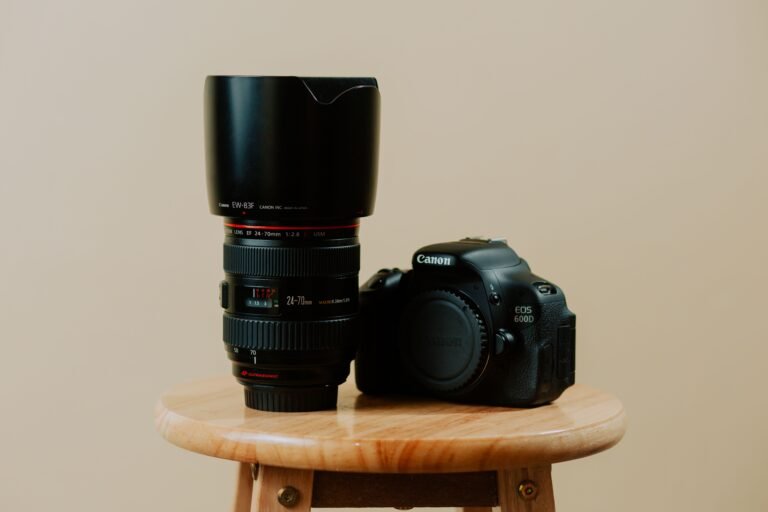
Kruger is one of the most photographically rewarding places on Earth. The light in the lowveld is extraordinary. The subjects are extraordinary. The challenge is being prepared when the opportunity appears, which is always without warning and never waits.
The Camera
Your phone camera is not enough for Kruger wildlife photography. A leopard in a tree at fifty metres is a tiny dot on a phone screen. To capture the images you will want to keep and share, you need a camera with a zoom lens.
A mirrorless or DSLR camera with a 100-400mm zoom lens range covers everything from close elephant encounters to distant cheetah sightings. The most popular safari cameras among serious photographers include the Sony A7 series with a telephoto zoom, Canon’s R-series mirrorless bodies, and Nikon’s Z-series. All produce exceptional results in Kruger’s variable light conditions.
If a dedicated camera is out of budget, a bridge camera with an integrated long zoom delivers strong results at a lower price and with much less to carry. The Panasonic Lumix FZ300 and Sony Cyber-shot RX10 series are both highly regarded among safari-goers who want quality without the interchangeable lens system.
Additional Camera Essentials
Extra memory cards. You will take far more photos than you expect. The moment a lion kills directly in front of the vehicle, you do not want to be deleting old images to make space. Pack at least two additional cards and keep them in a zipped pocket where they cannot be lost.
Extra batteries and a charger. Cold mornings and extended shooting drain batteries faster than normal. Pack two spare batteries minimum and charge everything every evening at camp.
A power bank. Rest camp electricity is available but not always convenient. A high-capacity power bank keeps your camera battery charger, phone, and any other devices running during the day.
A camera bag or dry bag. Dust in the dry season is remarkable. It gets into everything. A dust-protected camera bag or a simple dry bag inside your regular bag protects your gear on gravel road drives.
A beanbag camera rest. If you are doing serious photography from your vehicle, a beanbag rested on the window frame gives you a stable platform for long telephoto shots without a tripod. Lightweight and inexpensive, it makes a genuine difference to image sharpness.
Important note: Drones are strictly prohibited inside Kruger National Park. Do not bring one and do not attempt to fly one. It is illegal, it disturbs wildlife, and the penalties are serious.
Health and Medical: What You Need and What You Should Know
Malaria
Kruger National Park is in a malaria zone. This is the most important health consideration for your visit and it requires action before you travel, not after you arrive.
Kruger is a high-risk area for malaria from October to May, and mosquitoes are one of the main carriers of the disease. The risk is lower in the dry winter months from June to September but not zero. Consult your doctor or a travel medicine clinic before your trip for advice on appropriate malaria prophylaxis for your nationality, health history, and travel dates. Different antimalarial medications have different protocols and some need to be started before departure.
Your best mosquito defence strategy works in layers:
Insect repellent containing DEET is the most effective protection. Apply it every evening when mosquitoes become active, particularly after your shower at sunset. Repellents recommended by guides and regular Kruger visitors include Bushman Repellent and Mosi-Guard Natural, both of which are effective without the harsh chemical smell of some DEET products.
Clothing is your second line of defence. Long sleeves and long trousers from dusk onwards significantly reduce exposure. Light-coloured clothing in the evenings makes it easier to see mosquitoes before they bite.
Mosquito coils or electric repellent devices in your chalet or tent provide additional overnight protection, particularly in summer.
The Medical Kit
Pack a personal medical kit that covers the basics you may need and cannot easily obtain in remote areas of the park.
Your kit should include your prescribed malaria prophylaxis taken as directed, a broad-spectrum pain reliever such as paracetamol or ibuprofen, an antihistamine for insect bites and allergic reactions, oral rehydration sachets for heat exhaustion or stomach upset, a basic wound care kit with plasters, antiseptic, and bandages, any personal prescription medications in quantities that cover your entire trip plus additional days in case of delays, and eye drops for the dust and wind that comes with dry season game drives.
Most of the lodges and rest camps will have a basic medical aid kit. Pack the things that you might not be able to get in South Africa.If you wear contact lenses: the dust in Kruger during the dry season is relentless. Many regular visitors switch to glasses for the duration of their stay. If you prefer contacts, pack ample solution and consider daily disposables so you can discard them at the end of each dusty day.
Travel insurance with medical evacuation cover is not optional for a Kruger trip. The park is remote. Quality medical facilities are not close. Medical evacuation from Kruger to a facility in Johannesburg or Pretoria is expensive without coverage.
Sun Protection: Do Not Underestimate the African Sun
The African sun at Kruger’s latitude is genuinely fierce, and it catches most first-time visitors off guard. The combination of open-vehicle game drives, extended time outdoors, and high-altitude light means burns happen faster than in Europe or North America.
Sunscreen of SPF 50 or higher applied every morning and reapplied after three hours outside is the baseline. Pay particular attention to the tops of hands, forearms, the back of the neck, and the tops of ears, all areas that catch sun on a game drive without feeling it until the burn is already done.
SPF lip balm for the dry, sunny conditions that crack lips quickly.
A moisturiser for skin that dries out in the low-humidity lowveld climate.
Your hat, long sleeves, and polarised sunglasses do as much work as sunscreen. Treat sun protection as a system rather than a single product.
Toiletries and Personal Care
Keep this list as minimal as possible. Rest camp shops sell basics but are limited and sometimes out of stock on specific items.
Pack your regular shampoo, conditioner, soap, and toothpaste. Towels are provided in chalets and rooms but not for camping, so campers should pack a quick-dry travel towel. A small supply of hand sanitiser is useful for the picnic sites and get-out points where running water may not be available.
Avoid strong-smelling perfumes and colognes during game drives. Scent carries in the bush and can affect wildlife behaviour. Unscented or lightly scented toiletries are the better choice for your time in the park.
What To Pack for Kruger in Winter (May to September)
Winter is the best season for wildlife viewing in Kruger and requires the most thought when it comes to packing. The temperature contrast between early morning and midday can be extreme.
Winter is the dry season, offering fantastic game viewing as the bush thins out and animals congregate around water sources. The temperature can fluctuate, making layering essential.
July and August mornings at gate opening can be below five degrees. By midday the same day, you may be in shorts and a t-shirt at twenty-five degrees. Your packing needs to handle both.
Winter packing additions:
A thermal base layer worn under your safari shirt on cold mornings and removed as the day warms up. Merino wool thermals are ideal because they regulate temperature, dry fast, and do not develop odour quickly.
A proper warm jacket or down puffer for pre-dawn game drives. A packable down jacket that compresses into its own pocket is ideal because it takes up almost no space in your bag when not needed.
A fleece mid-layer that sits between your base layer and outer jacket.
A warm beanie covering your ears for early morning drives.
Thin gloves if you are doing open-vehicle drives at a private lodge where wind chill at speed in cold air makes bare hands uncomfortable.
Thicker socks for cold mornings.
The layering system means you start the morning in all of the above and progressively shed layers as the sun rises and the day warms. By 10am in July you are likely down to a single long-sleeve shirt.
What To Pack for Kruger in Summer (October to April)
Summer in Kruger is hot, wet in the afternoon, and green. It is also the season with the highest insect activity, the most dramatic light for photography, and some of the best newborn animal sightings of the year.
Summer packing adjustments:
Lightweight, breathable fabrics become even more important as midday temperatures can exceed thirty-five degrees in November and December.
A rain jacket or waterproof layer. Summer afternoon thunderstorms in the lowveld are dramatic and fast. A light, packable waterproof keeps you dry and protects your camera equipment. Even a simple rain poncho works if weight is a concern.
A dry bag or waterproof camera cover for protecting your gear during sudden downpours.
Additional insect repellent. Summer is peak mosquito season, particularly from October to May when malaria risk is at its highest. Pack more repellent than you think you will need.
Quick-dry clothing. Fabric that dries fast matters when afternoon rain can soak you and humidity stays high through the evening.
Lighter sleepwear. Nights in summer are warm and some rest camp chalets have limited air conditioning. Lightweight sleepwear makes for better rest.
The warm weather means you can leave the heavy fleece and beanie at home, but early morning game drives in summer still start with cool air. A single lightweight fleece or zip-up hoodie handles it comfortably.
Packing for Kids at Kruger
Taking children to Kruger is one of the best things you can do as a family. It is genuinely formative. Children who grow up seeing elephants crossing the road and lions sleeping beside waterholes carry something from that experience for life.
The packing adjustments for children are practical rather than extensive.
Children’s clothing follows the same neutral-colour, layer-based principles as adult clothing. Pack slightly more sets for younger children who need changes after meals, mud, or unexpected rain.
A children’s sun hat that stays on reliably. A chin strap is essential for game drives where wind or head movement can send a hat flying.
Children’s sunscreen of SPF 50 or higher, ideally in a formula suitable for sensitive skin.
Children’s insect repellent. DEET formulas are generally considered safe for children over two months of age but check with your paediatrician before travel for age-appropriate recommendations.
Malaria prophylaxis for children prescribed by your doctor before the trip. Child dosages and suitable medication types differ from adults.
Binoculars for children. Small, lightweight binoculars appropriate for younger hands make the game drive experience completely different for kids. They are far more engaged when they can see what the adults are pointing at. Junior binoculars from brands like Nikon and Celestron are designed for smaller hands and faces.
A wildlife identification book for children. Several South African publishers produce beautifully illustrated children’s guides to Kruger’s mammals, birds, and trees. They keep children occupied and genuinely educational between sightings.
Snacks and water. Rest camp shops sell basics but are not always stocked with specific children’s snack preferences. Pack enough familiar food to keep energy levels up through long morning drives without relying on camp facilities.
Entertainment for the camp midday. The middle of the day is when wildlife rests and game drives are least productive. Children need something to do between the morning and afternoon drive. A favourite book, a small puzzle, or a simple card game handles the downtime well.
A small backpack for children to carry their own water, snacks, and binoculars on game drives makes them feel ownership of the experience.
Documents and Essentials
This is the list that causes the most stress when something is missing.
Your South African identity document or passport. South African adults must have their ID or Driver’s Licence on entry or they will be charged international rates. International visitors must have a valid passport and ensure it has at least two blank pages remaining.
Your SANParks accommodation booking confirmation. Print it or have it saved offline on your phone. Signal inside the park is unreliable.
A credit card for gate fees. All Kruger gates are cashless. No card means no entry.
Your travel insurance documents with emergency contact numbers saved separately from the policy documents themselves.
Maps of the park. Detailed paper maps are available at the entrance gates and camp reception desks. They are worth buying at the gate and are far more reliable for route planning inside the park than phone GPS, which may lose signal in remote areas.
A headlamp or small torch. Rest camp paths between chalets and ablution blocks or restaurant areas are not always well-lit, particularly in the early morning when you are heading to your vehicle before dawn.
A power adapter if you are coming from outside South Africa. South Africa uses Type M plugs with three large round pins. A universal travel adapter handles it.
A reusable water bottle. Rest camps have drinking water and many have filling stations. A good insulated bottle keeps water cold through a long hot game drive and reduces the need to buy bottled water throughout the trip.
Quick-Reference Packing Checklist
Clothing:
Three to four long-sleeve safari shirts in neutral tones, three to four neutral t-shirts, two pairs of lightweight trousers or convertible pants, one to two pairs of shorts, warm fleece or midweight jacket, windproof outer layer, one pair of trail runners or sturdy sneakers, one pair of camp sandals, underwear for the full trip plus two extra days, socks in light and warm versions, wide-brimmed hat with chin strap, buff or neck gaiter, beanie (winter essential, summer optional), polarised sunglasses.
Optics and Camera:
Binoculars (8×42 or 10×42 recommended), camera with telephoto zoom lens, extra memory cards, extra batteries and charger, power bank, camera bag or dry bag, beanbag window rest for photography.
Health and Medical:
Malaria prophylaxis as prescribed, broad-spectrum pain reliever, antihistamine, oral rehydration sachets, wound care basics, all personal prescription medications plus extras, eye drops, DEET insect repellent, sunscreen SPF 50+, SPF lip balm.
Toiletries:
Shampoo, conditioner, soap, toothpaste, toothbrush, travel towel if camping, hand sanitiser, moisturiser, unscented or lightly scented toiletries only.
Documents and Essentials:
Identity document or passport, SANParks booking confirmation, credit card, travel insurance documents, park maps, headlamp or torch, power adapter, reusable water bottle, field guide to southern African mammals, southern African bird guide if birding interests you.
For Kids (if applicable):
Children’s neutral clothing with extra sets, children’s sun hat with chin strap, children’s sunscreen SPF 50+, children’s insect repellent, malaria prophylaxis for children as prescribed, junior binoculars, wildlife identification book for children, snacks and water, entertainment for midday, small backpack for game drives.
What To Leave Behind
This matters as much as what you pack.
Leave behind bright colours, white clothing, red clothing, and anything with strong reflective elements. Leave the drone at home entirely. Leave the strong perfumes and colognes. Leave the hairdryer, the full make-up kit, and the heels. Leave anything that requires significant electricity or charging infrastructure that a rest camp chalet cannot reliably provide.
Leave behind: stress, the kitchen sink, high heels, make-up, your hairdryer, drones, and of course your work.
The bush asks you to simplify. The travellers who enjoy Kruger most are usually the ones who packed least and brought the most patience.
Read related post: Kruger vs Serengeti Safari: Which African Safari Is Truly Better in 2026?
FAQ
Do I need a 4x4 vehicle for Kruger?
No. The main H and S roads are suitable for a standard sedan or hatchback. A vehicle with higher ground clearance is more comfortable on gravel roads and gives you better visibility over vegetation. A 4×4 is only needed if you plan to use the park’s dedicated off-road trails.
Is malaria a serious risk in Kruger?
Yes. Consult a doctor or travel medicine clinic before your trip for appropriate prophylaxis. The risk is highest from October to May. Layering insect repellent, appropriate clothing, and prescribed medication provides strong protection.
What is the luggage limit if I am flying into a private lodge?
Many light aircraft and safari vehicle transfers impose a limit of 20 kilograms per person total in soft-sided bags only. Confirm with your lodge before travel and pack accordingly. Hard-shell suitcases are generally not permitted on charter flights.
Do rest camps have electricity and charging facilities?
Yes. Most rest camp chalets have electrical outlets, though the number may be limited. South Africa uses Type M plugs with three large round pins. Pack a universal adapter if coming from outside South Africa. A power bank covers you during long game drive days when you cannot return to your chalet.
Written by Tina. I founded 54TravelVibes to build the Africa travel guides I always wished existed. 54TravelVibes covers iconic African destinations across South Africa, Kenya, Tanzania, and Morocco. Explore all destinations →