If you’re planning a safari in Kruger National Park, there’s a moment that almost everyone experiences.
You’re on a game drive. The guide slows down. Everyone leans forward.
And then someone asks:
“Wait… is that a leopard or a cheetah?”
It sounds like a simple question but in that moment, it matters more than you think.
Because spotting a big cat in Kruger isn’t just about seeing it. It’s about understanding what you’re looking at, where you are, and why that sighting is actually special.
If you’ve ever Googled the difference, you’ve probably seen general answers. Spots, body shape, speed all helpful, but not always practical when you’re actually on safari.
So let’s break this down properly.
Not just the difference between leopard and cheetah but how it actually plays out in Kruger, where you’re likely to see them, and how to plan your safari around it.
If you’re planning a safari in Kruger National Park, it helps to sort your essentials early flights, a local SIM or eSIM for navigation, and travel insurance. From there, the real decisions come down to where you stay, which safari tour you choose, and how your days are planned.
Key Differences Between Leopard and Cheetah (What You’ll Notice First on Safari)
Let’s start with the basics but in a way that actually helps when you’re sitting in a vehicle trying to figure it out in real time.
Leopard vs Cheetah Appearance (The Fastest Way to Tell the Difference)
The easiest way to tell them apart is by their markings.
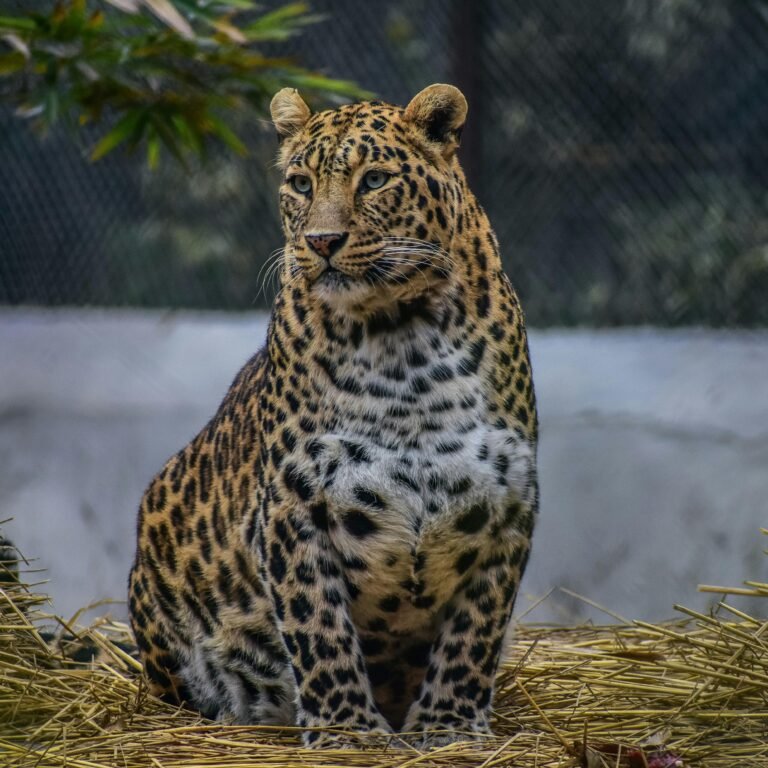
- Leopards have rosette-shaped spots (they look like little clusters)
- Cheetahs have solid black spots and very distinct black tear lines running from their eyes down their face
Those tear marks are your biggest clue. If you see them, it’s a cheetah.
Body Shape and Movement (This Is What Most People Miss)
This is where it gets interesting.
Leopards are:
- Stockier
- Muscular
- Built for strength
Cheetahs are:
- Slim
- Lightweight
- Built for speed
If the animal looks like it could sprint across an open field at full speed it’s a cheetah.
If it looks powerful and calm, possibly heading toward a tree that’s a leopard.
Behaviour on Safari (Why They Feel So Different)
This is where your experience really changes.
Leopards are:
- Solitary
- Secretive
- Often found resting or hiding
Cheetahs are:
- More visible during the day
- Often seen scanning open areas
- Less likely to hide in dense bush
In simple terms:
- Leopard sightings feel rare and quiet
- Cheetah sightings feel open and active
Where to See Leopards vs Cheetahs in Kruger National Park
Because in Kruger National Park, location matters more than anything.
Where to See Leopards in Kruger National Park
Leopards prefer:
- Dense bush
- Riverbeds
- Areas with trees (they love climbing)
Your best chances are in Southern Kruger, especially around:
- Lower Sabie
- Skukuza
- Sabie River areas
These areas have:
- Thicker vegetation
- More water sources
- Higher prey activity
Which means a higher chance of leopard sightings.
Where to See Cheetahs in Kruger National Park
Cheetahs are completely different.
They prefer:
- Open grasslands
- Flat terrain
- Space to run
Your best chances are in Central Kruger, especially:
- Satara region
- Open plains between camps
This is one of the few places in Kruger where cheetah sightings are realistic.
Where to Stay in Kruger Based on What You Want to See
If seeing a leopard or cheetah is high on your list, where you stay matters more than people realise.
In Kruger National Park, different regions give you completely different experiences.
- Southern areas (like Lower Sabie and Skukuza) are better for leopard sightings
- Central areas (like Satara) give you a better chance of spotting cheetahs
If you’re still deciding, you can read my full guide here: Kruger Safari Guide. This breaks down Where to Stay, Lodges and Hotels .
Why Most People Miss This (And End Up Disappointed)
A lot of people book:
- Based on price
- Or based on what looks nice
And then wonder why they didn’t see what they expected.
If you stay in the wrong region, your chances drop no matter how long you’re there.
Best Time of Day to See Leopard vs Cheetah on Safari
Timing matters more than people think.
Leopard Sightings (Early Morning and Evening)
Leopards are:
- Mostly nocturnal
- More active at sunrise and sunset
Your best chance:
- Early morning game drives
- Late afternoon drives
Cheetah Sightings (Daytime Advantage)
Cheetahs hunt during the day.
Best times:
- Morning after sunrise
- Late morning
They rely on visibility, not stealth.
This is why you might:
- See a cheetah in full daylight
- But only catch a glimpse of a leopard at dusk
Leopard vs Cheetah Sightings in Kruger: Which One Is Rarer?
This is the question people don’t ask but should.
Leopards in Kruger
- Fairly common
- But very elusive
You might be close to one and not even know it.
Cheetahs in Kruger
- Fewer in number
- More dependent on specific terrain
Seeing a cheetah in Kruger often feels like luck.
The Real Truth
You are more likely to:
- See a leopard briefly
- See a cheetah if you’re in the right area
But neither is guaranteed.
And that’s what makes it special.
Best Kruger Safari Options to See Leopards and Cheetahs
This is where your planning really matters.
Private Game Reserves (Best for Leopard Sightings)
Areas like:
- Sabi Sands
- Timbavati
Offer:
- Off-road driving
- Experienced trackers
- Higher sighting success
If leopard is your priority, this is worth considering.
Kruger Self-Drive vs Guided Safari
Self-Drive
- More affordable
- Flexible
- But limited tracking ability
Guided Safari
- Higher chance of sightings
- Better positioning
- Less guesswork
If this is your first safari, guided drives make a big difference.
Booking the Right Kruger Safari Lodge or Game Drive
Once you know where to go, the next step is choosing how you experience it.
You can:
- Self-drive (more flexible, budget-friendly)
- Book guided game drives (better for sightings and tracking)
- Stay in private reserves for a more exclusive experience
If you’re comparing options, I’ve broken it down here:
Affordable Safaris in South Africa: Budget-Friendly Big Five Experiences You Can Book
How Many Days You Need for Big Cat Sightings
This is something most people underestimate.
- 2 days → possible sightings
- 3 days → good chance
- 4–5 days → much better experience
The longer you stay, the more natural it feels.
What People Get Wrong About Leopard vs Cheetah in Kruger
Let’s be honest about this.
Expecting to See Everything Easily
You won’t.
Safari is unpredictable.
Booking the Wrong Area
This is the biggest mistake.
- Stay in the wrong region → miss your target animal
Rushing the Experience
Trying to “fit Kruger into a short trip” doesn’t work well.
This is not a checklist trip.
It’s an experience.
A Simple Safari Tip That Changes Everything
If your goal is:
Leopard sightings
→ Stay in dense, southern areas
Cheetah sightings
→ Stay in open, central areas like Satara
It sounds simple but it’s one of the most important decisions you’ll make.
Planning a Kruger Safari That Actually Makes Sense
If you’re reading this, you’re probably trying to figure out:
- Where to stay
- How long to go
- What you’re likely to see
And it can get overwhelming quickly.
Because everything looks good online.
But not everything works in real life.
Not Sure if Kruger Is Right for You?
A lot of people I speak to are also comparing Kruger with other safari destinations.
If you’re still deciding, these might help:
- Kruger vs Serengeti Safari: Which One Is Worth It?
- Kenya Safari Big 5: Where to See the Big Five in Kenya
- Affordable Game Lodges in Eastern Cape (Big Five on a Budget)
Each destination offers something different it really comes down to your budget, travel style, and what kind of experience you’re after.
If You Want Help Planning Your Kruger Safari
I don’t book trips or handle reservations.
But I do help you figure out:
- Which areas actually match what you want to see
- Which lodges are worth it (and which aren’t)
- How to plan your days so it flows properly
- What to avoid so you don’t waste time or money
If you’re planning a trip to Kruger National Park and want it to make sense from the start, you can reach out with your:
- Budget
- Travel dates
- What you really want to experience
And I’ll help you map it out in a way that feels clear and realistic.
Planning a safari whether in Kruger National Park or beyond isn’t about seeing everything.
It’s about seeing the right things, in the right place, at the right time.
And sometimes, that’s the difference between a good trip… and one you never forget.